Rabbit facts for kids
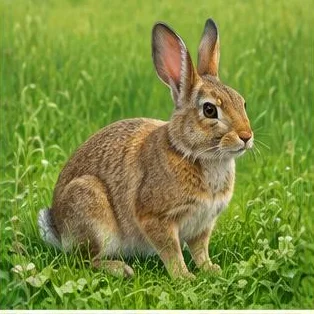
Companion Animals · Grassland and scrub with burrows; suitable housing for domestic rabbits
- Biology and species
- European rabbit (Oryctolagus cuniculus), including domestic rabbits. European rabbits are herbivorous mammals; their teeth grow continuously. European rabbits often live in groups using connected burrows called warrens.
- Social life
- European rabbits often live in groups using connected burrows called warrens.
- How they talk
- Rabbits use scent, posture and foot thumps; a thump can signal alarm.
- Babies
- Young European rabbits are born in a nest and initially depend on milk.
- Adaptations
- Large ears and eyes help detect possible danger.
Conservation evidence
This entry describes a domestic animal. Domestic breed welfare and wild-species conservation are different questions; no global wild population estimate is assigned here.
Collectible rarity labels are game rewards, not conservation categories. Historical figures and dated assessments are not live population counts.
Sources for this animal
Did you know?
- European rabbits are herbivorous mammals; their teeth grow continuously.
- Grass and hay help provide fibre and wear teeth; pet diets need appropriate care.
- Large ears and eyes help detect possible danger.
Quick answers
Where do rabbits live?
Grassland and scrub with burrows; suitable housing for domestic rabbits
What biology facts should we know about rabbits?
European rabbit (Oryctolagus cuniculus), including domestic rabbits. European rabbits are herbivorous mammals; their teeth grow continuously. European rabbits often live in groups using connected burrows called warrens.
Do rabbits live in groups?
European rabbits often live in groups using connected burrows called warrens.
How do rabbits communicate?
Rabbits use scent, posture and foot thumps; a thump can signal alarm.
What conservation information is available for rabbits?
This entry describes a domestic animal. Domestic breed welfare and wild-species conservation are different questions; no global wild population estimate is assigned here.
Facts describe the species or group named above. Follow the sources for evidence and assessment dates; findings about one species do not automatically apply to all related animals.