Animal Superpowers
Dog: A nose that reads the past
A dog's nose can tell who walked down the street hours ago.
When a dog sniffs, air flows into a special part of the nose used only for smelling. When it breathes out, air leaves through slits at the sides of the nose, so it doesn't blow away the smell. Each nostril samples air separately, which may help a dog tell which direction a smell came from.
🔬 How faint can you go?
Slide the scent down to almost nothing. See where your nose gives up — and where a dog carries on.
Trained dogs can detect some scents diluted to one part in a trillion — like one drop in twenty Olympic pools.
Continue exploring
An experiment is a model, not an animal
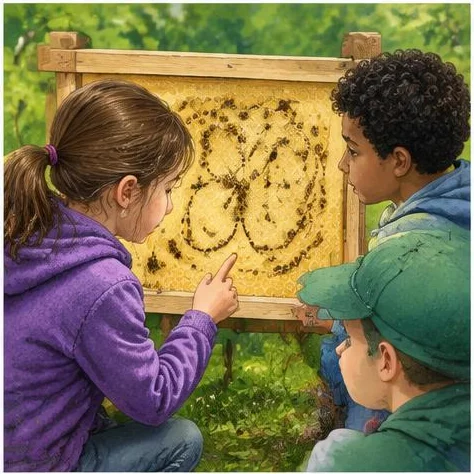
1. Predict before you try
Say what you think will happen and why. An unexpected result can teach you something new.
2. Change one thing
Repeat a trial while changing only one feature. Keep other conditions similar to help understand what affected the result.
3. Know the limits
An echo activity does not give you a bat's hearing. A hidden object game does not recreate a dog's nose. These models explore an idea, not an animal's full ability.
Never shine lights at animals' eyes, make loud sounds nearby or disturb nests to test a superpower. Observe from a safe distance. Grown-ups can find research links in Parents & Teachers.
Parents & TeachersTest camouflage without disturbing animals
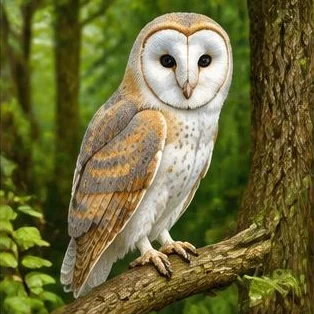
Does camouflage make an animal invisible?
No. Colours, patterns and shape can make an animal harder to notice against some backgrounds. Visibility still depends on movement, light and the observer. A paper model explores detection, not every part of an animal's survival.
1. Make a safe paper model
With adult help for scissors, make several same-sized paper shapes in two colours. Place them on a patterned sheet indoors. Use paper pieces, not living animals or litter left outside.
2. Keep the comparison fair
Ask someone to look for the shapes for the same amount of time in each trial. Keep shape size, lighting and viewing distance similar. Change the background colour for a second comparison.
3. Discuss the limits
Count how many shapes were noticed, then repeat. A small trial may vary by chance or by the observer's practice. Real animals can move, hide and be detected by senses other than sight.
Your field challenge
Ages 7–9
Predict which colour will be easier to find before each trial. Compare your prediction with what happened.
Talk about it
What changed when you changed the background rather than the shape?