Plants are full of power. Build a plate, follow a food all the way from a seed, then cook something delicious with a grown-up.
Where do plants get protein?
Plants build their own protein. They pull nitrogen from the soil (beans and peas get extra help from friendly root bacteria that catch nitrogen from the air) and use sunlight energy to turn it into amino acids — the building blocks of protein. When you eat beans, lentils, tofu, nuts, seeds or grains, you eat that protein straight from the source.
Animals do not make protein from nothing either — they eat plants and rebuild plant amino acids into their own. Eating a mix of beans, grains, nuts and seeds across the day gives children every amino acid they need.
Source: British Dietetic Association, plant-based diets for children
Build Your Plant-Powered Plate
Try to get all five food groups on one plate for the Plate Champion badge.
Pick your foods
Tap a food to add it, or drag it onto the plate. Tap it again on the plate to take it off.
Making a real plate? Ask a grown-up to check for allergies. Children under five should not have whole nuts — use finely ground nuts or smooth nut butter instead.
Beans & Pulses
Greens & Veg
Grains
Fruits
Nuts & Seeds
Drop food here 🍽️
Your plate is empty. Add some plant power!
Nutrient cheers
Add foods to see what they give you.
Food groups on your plate: 0 of 5
Plant Food Explorer
Follow each food step by step, from tiny seed to the thing you actually eat.
🫛 Soybean
One little bean becomes dozens of foods.
🌱
1. Seed
A soybean seed is planted in warm spring soil.
🌿
2. Plant
Locked
🫛
3. Pod
Locked
👩🍳
4. Kitchen
Locked
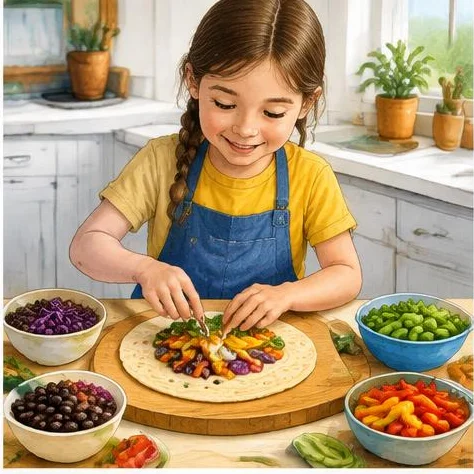
Cook With Me: Kids Kitchen
Always cook with a grown-up nearby. Check the allergy tags before you start.
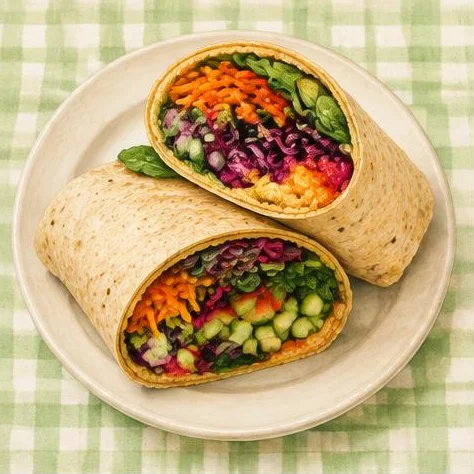
🌈 Rainbow Crunch Wraps
Contains wheat
Contains sesame (most hummus has tahini)
Nut-free
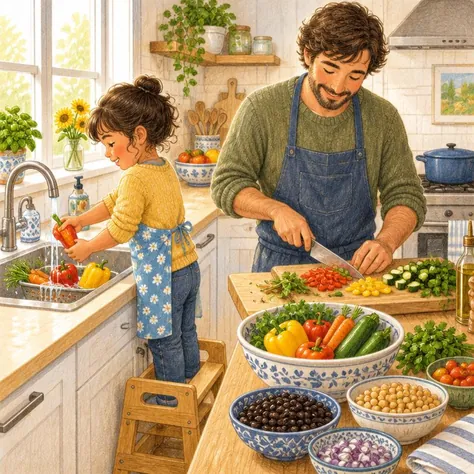
👩🍳 Grown-up job: A grown-up should do all the slicing with a sharp knife.
You will need
2 soft tortilla wraps
4 tbsp hummus
1 grated carrot
A handful of red cabbage, finely shredded
1/2 cucumber, cut into sticks
A few spinach leaves
Step 1 of 5
Wash your hands and lay the wraps flat on a board.
Fun fact: Eating lots of colours means eating lots of different vitamins.
🌈 Rainbow Crunch Wraps
10 minutes · Super easy · Contains wheat · Contains sesame (most hummus has tahini) · Nut-free
Grown-up job: A grown-up should do all the slicing with a sharp knife.
You will need
2 soft tortilla wraps
4 tbsp hummus
1 grated carrot
A handful of red cabbage, finely shredded
1/2 cucumber, cut into sticks
A few spinach leaves
Cook with me
Wash your hands and lay the wraps flat on a board.
Spread hummus all over each wrap, right to the edges.
Make colourful stripes: carrot, cabbage, cucumber, spinach.
Fold in the sides, then roll up tightly like a sleeping bag.
Ask your grown-up to slice each roll in half. Crunch!
Fun fact: Eating lots of colours means eating lots of different vitamins.
No. The plate is a learning model, not a prescription for portions. Soups, wraps and mixed dishes can contain several food groups together. Children need enough energy and a varied diet across the day, with advice tailored to their needs.
1. Build from what you have
Pick an energy food such as rice, bread or potatoes, add beans, lentils or tofu, and include vegetables or fruit. A little suitable oil, seed paste or other fat can add energy. Respect allergies and family preferences.
2. Make a safe kitchen plan
Wash hands and produce. Ask a grown-up to handle hot pans, sharp knives and appliances. Read allergy labels, including on sauces. Young children need foods prepared to reduce choking risk.
3. Notice, without pressure
Describe colour, smell and texture. Offer a small taste only if the child wants one. New foods can take time to feel familiar; finishing a plate is not a kindness test. Refrigerate leftovers promptly with adult help.
Your field challenge
Ages 7–9
Choose a recipe and sort the jobs into child jobs and grown-up jobs before cooking.
Talk about it
What did everyone contribute besides eating the meal?