Fish facts for kids
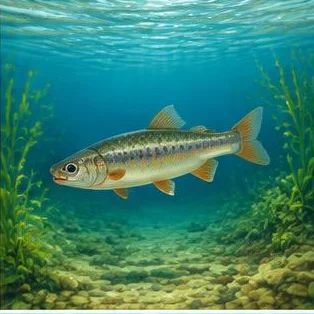
Farmed Animals · Fresh water and salt water, depending on species
- Biology and species
- Many species; not one species. Most fish breathe using gills. Body form, diet and reproduction vary greatly among species. Some fish form schools; others live mainly alone.
- Social life
- Some fish form schools; others live mainly alone.
- How they talk
- Some fish use sounds, colour or movement; methods vary by species.
- Babies
- Some species lay eggs; others give birth to live young.
- Adaptations
- In many fish, the lateral line detects water movement.
Conservation evidence
This entry describes a domestic animal. Domestic breed welfare and wild-species conservation are different questions; no global wild population estimate is assigned here.
Collectible rarity labels are game rewards, not conservation categories. Historical figures and dated assessments are not live population counts.
Sources for this animal
Did you know?
- Most fish breathe using gills. Body form, diet and reproduction vary greatly among species.
- Some fish eat plants, some eat animals, and some eat both.
- In many fish, the lateral line detects water movement.
Quick answers
Where do fish live?
Fresh water and salt water, depending on species
What biology facts should we know about fish?
Many species; not one species. Most fish breathe using gills. Body form, diet and reproduction vary greatly among species. Some fish form schools; others live mainly alone.
Do fish live in groups?
Some fish form schools; others live mainly alone.
How do fish communicate?
Some fish use sounds, colour or movement; methods vary by species.
What conservation information is available for fish?
This entry describes a domestic animal. Domestic breed welfare and wild-species conservation are different questions; no global wild population estimate is assigned here.
Facts describe the species or group named above. Follow the sources for evidence and assessment dates; findings about one species do not automatically apply to all related animals.