Pig facts for kids
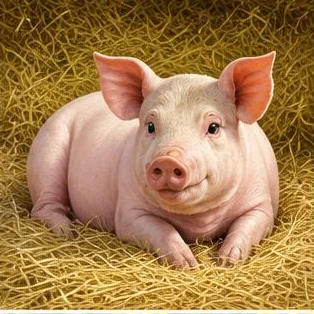
Farmed Animals · Farms worldwide; wild boar use forests, grassland and wetlands
- Biology and species
- Domestic pig; wild ancestor Sus scrofa. Pigs are omnivorous mammals; the domestic pig descends from wild boar. Wild boar females and young often live in groups; adult males are often more solitary.
- Social life
- Wild boar females and young often live in groups; adult males are often more solitary.
- How they talk
- Pigs communicate with calls, scent and posture.
- Babies
- Piglets are born in litters and drink milk.
- Adaptations
- A sensitive, mobile snout helps pigs investigate the ground.
Conservation evidence
This entry describes a domestic animal. Domestic breed welfare and wild-species conservation are different questions; no global wild population estimate is assigned here.
Collectible rarity labels are game rewards, not conservation categories. Historical figures and dated assessments are not live population counts.
Sources for this animal
Did you know?
- Pigs are omnivorous mammals; the domestic pig descends from wild boar.
- Wild boar eat roots, fruits and small animals; domestic pigs need a balanced diet.
- A sensitive, mobile snout helps pigs investigate the ground.
Quick answers
Where do pigs live?
Farms worldwide; wild boar use forests, grassland and wetlands
What biology facts should we know about pigs?
Domestic pig; wild ancestor Sus scrofa. Pigs are omnivorous mammals; the domestic pig descends from wild boar. Wild boar females and young often live in groups; adult males are often more solitary.
Do pigs live in groups?
Wild boar females and young often live in groups; adult males are often more solitary.
How do pigs communicate?
Pigs communicate with calls, scent and posture.
What conservation information is available for pigs?
This entry describes a domestic animal. Domestic breed welfare and wild-species conservation are different questions; no global wild population estimate is assigned here.
Facts describe the species or group named above. Follow the sources for evidence and assessment dates; findings about one species do not automatically apply to all related animals.