Honeybee facts for kids
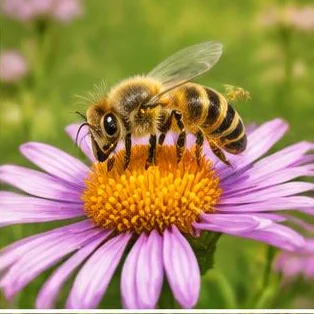
Wildlife · Colonies in cavities or hives; flowers in surrounding habitats
- Biology and species
- Western honeybee (Apis mellifera). Western honeybees are insects with six legs and two pairs of wings. A colony has a queen, workers and seasonal drones with different roles.
- Social life
- A colony has a queen, workers and seasonal drones with different roles.
- How they talk
- Waggle dances communicate information about food direction and distance.
- Babies
- Honeybees develop through egg, larva, pupa and adult stages.
- Adaptations
- Carrying pollen between flowers can help plants reproduce.
Conservation evidence
Conservation status must be checked for a named species and region. This overview does not assign one threat category or population total to a whole animal group.
Collectible rarity labels are game rewards, not conservation categories. Historical figures and dated assessments are not live population counts.
Sources for this animal
Did you know?
- Western honeybees are insects with six legs and two pairs of wings.
- They collect nectar and pollen; stored honey supplies energy to the colony.
- Carrying pollen between flowers can help plants reproduce.
Quick answers
Where do honeybees live?
Colonies in cavities or hives; flowers in surrounding habitats
What biology facts should we know about honeybees?
Western honeybee (Apis mellifera). Western honeybees are insects with six legs and two pairs of wings. A colony has a queen, workers and seasonal drones with different roles.
Do honeybees live in groups?
A colony has a queen, workers and seasonal drones with different roles.
How do honeybees communicate?
Waggle dances communicate information about food direction and distance.
What conservation information is available for honeybees?
Conservation status must be checked for a named species and region. This overview does not assign one threat category or population total to a whole animal group.
Facts describe the species or group named above. Follow the sources for evidence and assessment dates; findings about one species do not automatically apply to all related animals.