Primates facts for kids
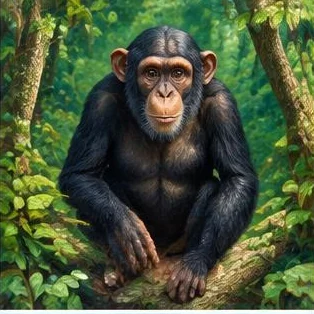
Wildlife · Forests, savannas and other habitats; ranges differ by species
- Biology and species
- Primates: lemurs, monkeys, apes and humans. Primates are a diverse mammal order; not all live in rainforest or swing through trees. Social systems range from mainly solitary individuals to complex groups.
- Social life
- Social systems range from mainly solitary individuals to complex groups.
- How they talk
- Species use different combinations of calls, gestures, scent and facial signals.
- Babies
- Young primates usually need substantial parental care; timing varies by species.
- Adaptations
- Many primates have grasping hands and forward-facing eyes.
Conservation evidence
Conservation status must be checked for a named species and region. This overview does not assign one threat category or population total to a whole animal group.
Collectible rarity labels are game rewards, not conservation categories. Historical figures and dated assessments are not live population counts.
Sources for this animal
Did you know?
- Primates are a diverse mammal order; not all live in rainforest or swing through trees.
- Diets range from fruit and leaves to insects and other foods.
- Many primates have grasping hands and forward-facing eyes.
Quick answers
Where do primates live?
Forests, savannas and other habitats; ranges differ by species
What biology facts should we know about primates?
Primates: lemurs, monkeys, apes and humans. Primates are a diverse mammal order; not all live in rainforest or swing through trees. Social systems range from mainly solitary individuals to complex groups.
Do primates live in groups?
Social systems range from mainly solitary individuals to complex groups.
How do primates communicate?
Species use different combinations of calls, gestures, scent and facial signals.
What conservation information is available for primates?
Conservation status must be checked for a named species and region. This overview does not assign one threat category or population total to a whole animal group.
Facts describe the species or group named above. Follow the sources for evidence and assessment dates; findings about one species do not automatically apply to all related animals.