Elephant facts for kids
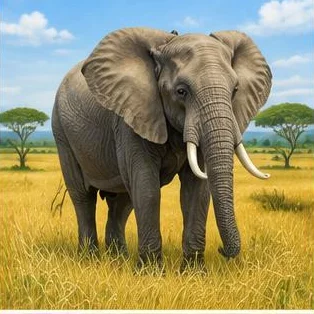
Wildlife · Asian forests and grasslands; African savannas and forests, by species
- Biology and species
- Asian, African savanna and African forest elephants. Elephants are large plant-eating mammals; their trunk combines the nose and upper lip. Related females and calves form family groups; adult male social patterns differ.
- Social life
- Related females and calves form family groups; adult male social patterns differ.
- How they talk
- Elephants communicate with calls, touch and scent, including low-frequency sounds.
- Babies
- Calves drink milk and depend on extended care.
- Adaptations
- A flexible trunk can grasp food and draw water.
Conservation evidence
IUCN 2021: African savanna elephant — Endangered; African forest elephant — Critically Endangered. These global assessments apply to two separate species, not every elephant.
Collectible rarity labels are game rewards, not conservation categories. Historical figures and dated assessments are not live population counts.
Sources for this animal
Did you know?
- Elephants are large plant-eating mammals; their trunk combines the nose and upper lip.
- They eat grasses, leaves, bark and other plant material.
- A flexible trunk can grasp food and draw water.
Quick answers
Where do elephants live?
Asian forests and grasslands; African savannas and forests, by species
What biology facts should we know about elephants?
Asian, African savanna and African forest elephants. Elephants are large plant-eating mammals; their trunk combines the nose and upper lip. Related females and calves form family groups; adult male social patterns differ.
Do elephants live in groups?
Related females and calves form family groups; adult male social patterns differ.
How do elephants communicate?
Elephants communicate with calls, touch and scent, including low-frequency sounds.
What conservation information is available for elephants?
IUCN 2021: African savanna elephant — Endangered; African forest elephant — Critically Endangered. These global assessments apply to two separate species, not every elephant.
Facts describe the species or group named above. Follow the sources for evidence and assessment dates; findings about one species do not automatically apply to all related animals.