Whale facts for kids
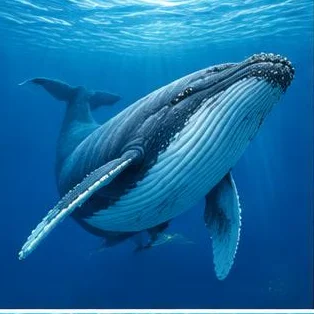
Wildlife · Oceans worldwide; distribution differs by species
- Biology and species
- Baleen whales and toothed whales. Whales are marine mammals. Baleen whales filter food; toothed whales have teeth. Some whales live in stable groups, but social systems vary widely.
- Social life
- Some whales live in stable groups, but social systems vary widely.
- How they talk
- Humpback whales sing; toothed whales use clicks, and many use echolocation.
- Babies
- Calves drink milk and must surface to breathe.
- Adaptations
- Toothed-whale echolocation uses returning echoes; it is not a baleen-whale ability.
Conservation evidence
Conservation status must be checked for a named species and region. This overview does not assign one threat category or population total to a whole animal group.
Collectible rarity labels are game rewards, not conservation categories. Historical figures and dated assessments are not live population counts.
Sources for this animal
Did you know?
- Whales are marine mammals. Baleen whales filter food; toothed whales have teeth.
- Diets depend on species: examples include krill, fish and squid.
- Toothed-whale echolocation uses returning echoes; it is not a baleen-whale ability.
Quick answers
Where do whales live?
Oceans worldwide; distribution differs by species
What biology facts should we know about whales?
Baleen whales and toothed whales. Whales are marine mammals. Baleen whales filter food; toothed whales have teeth. Some whales live in stable groups, but social systems vary widely.
Do whales live in groups?
Some whales live in stable groups, but social systems vary widely.
How do whales communicate?
Humpback whales sing; toothed whales use clicks, and many use echolocation.
What conservation information is available for whales?
Conservation status must be checked for a named species and region. This overview does not assign one threat category or population total to a whole animal group.
Facts describe the species or group named above. Follow the sources for evidence and assessment dates; findings about one species do not automatically apply to all related animals.